
Dry, irritated eyes affect millions of people and can make everyday activities uncomfortable. Whether you’re working on a computer, reading, or spending time outdoors, persistent dryness can interfere with vision and quality of life. Researchers and eye care professionals have long explored ways to manage these symptoms more effectively. Among those contributing to the conversation …

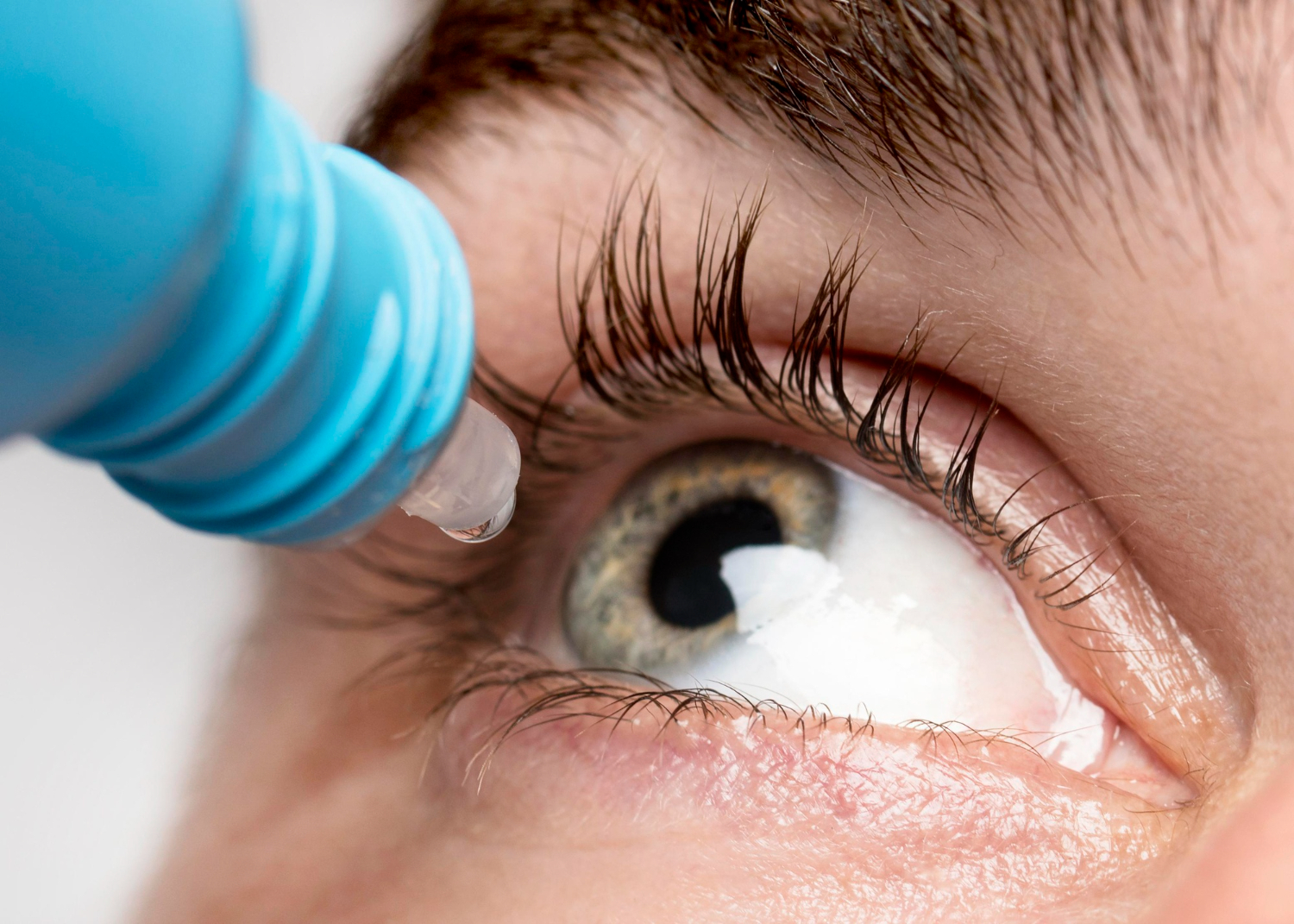
Dry, irritated eyes affect millions of people and can make everyday activities uncomfortable. Whether you’re working on a computer, reading, or spending time outdoors, persistent dryness can interfere with vision and quality of life.
Researchers and eye care professionals have long explored ways to manage these symptoms more effectively. Among those contributing to the conversation is Dr. Dean Evan Hart, an optometrist and researcher from Long Island whose work has examined innovative approaches to improving ocular health.
One solution that has drawn renewed interest in recent years is the use of moisture chamber eyeglasses, a concept that first gained attention in the 1990s as a potential tool for addressing chronic dry eye symptoms.
Understanding Dry Eye Syndrome
Dry Eye Syndrome (DES) occurs when the eyes do not produce enough tears or when tears evaporate too quickly. This can lead to a range of uncomfortable symptoms, including:
- Burning or stinging sensations
- Redness and irritation
- Blurred or fluctuating vision
- Sensitivity to light
- Difficulty wearing contact lenses
While artificial tears and medications are commonly used treatments, researchers have also investigated environmental and mechanical solutions to help protect the eye’s surface.
The Concept Behind Moisture Chamber Eyeglasses
Moisture chamber eyeglasses are designed to create a protective environment around the eyes. These specialized frames typically include a seal or shield around the lenses that helps retain moisture and reduce exposure to air currents.
By limiting airflow and maintaining humidity around the eyes, the glasses can help slow tear evaporation. For individuals who experience chronic dryness, this microenvironment may provide meaningful relief during daily activities.
The concept is simple but powerful: protect the eye’s natural moisture rather than constantly replacing it.
Early Research and Development
During the 1990s, Dr. Hart and colleagues conducted research examining the potential benefits of moisture chamber eyewear for individuals suffering from dry eye symptoms.
Their work, published in the Journal of the American Optometric Association, explored how moisture-retaining eyewear could improve comfort and reduce irritation for patients dealing with chronic dryness.
The findings helped bring attention to a practical approach that complemented existing treatments such as lubricating eye drops and environmental adjustments.
Why the Idea Is Being Revisited Today
Since that early research, eyewear technology has advanced significantly. Modern materials, improved frame designs, and customizable fittings have opened new possibilities for moisture chamber eyewear.
These improvements have prompted renewed interest in whether this type of protective eyewear could play a larger role in managing dry eye symptoms today.
For many patients, the ability to maintain eye moisture while performing everyday tasks—such as working on a computer or spending time outdoors—could provide an additional layer of comfort beyond traditional treatments.
Improving Quality of Life for Dry Eye Patients
Dry Eye Syndrome can impact far more than just vision. Persistent irritation can make routine activities frustrating and exhausting.
Solutions that protect the eye’s surface and support natural tear function can help individuals:
- Read more comfortably
- Use digital devices with less irritation
- Spend time outdoors without excessive dryness
- Reduce reliance on constant eye drop use
Research exploring these approaches highlights the importance of combining medical treatments with practical lifestyle solutions.
Looking Ahead in Ocular Health Research
As research into dry eye conditions continues, eye care professionals are exploring a range of strategies to improve patient comfort and long-term ocular health.
Innovations in eyewear design, combined with ongoing clinical research, may help shape future approaches to managing Dry Eye Syndrome.
By studying both new technologies and previously explored solutions, researchers like Dr. Hart continue contributing to the evolving conversation about how best to support individuals experiencing chronic eye dryness.